$ muse --vibe-code --live
I vibe-code everything with AI.
On camera. Start to ship.
Websites, games, apps — if it can be prompted, I'll build it live. No tutorials, no slides — just me, an AI pair-programmer, and one clear milestone per episode. You watch it get built, bugs and all.
$ the format
Short, goal-oriented builds. Zero fluff.
01
One milestone per episode
Each video has a single, clear goal — a playable build, a new system, a deploy. You always know what you're getting.
02
No waiting, no filler
The AI thinking, the installs, the dead ends — cut. What remains is the interesting part: decisions, bugs, and fixes.
03
Real deploys, real links
Everything ships to a live URL you can play in your browser. The code, the prompts, and the mistakes are all on the table.
$ first project
ZELDO — Six AIs. One blueprint. One Zeldo.
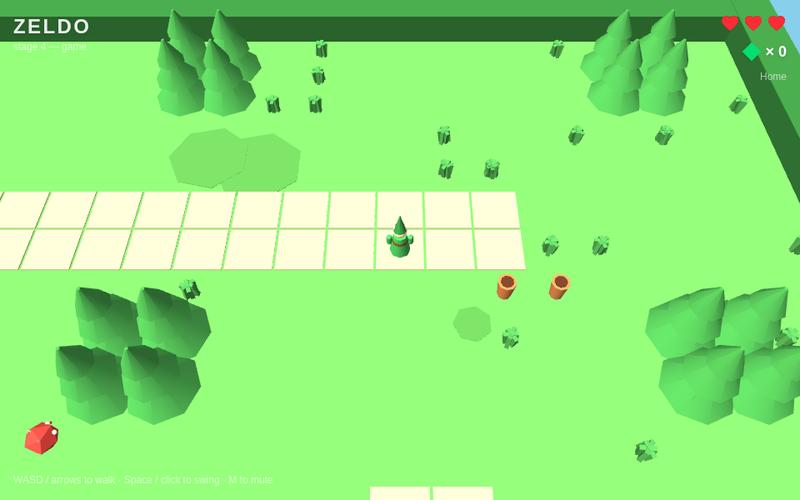
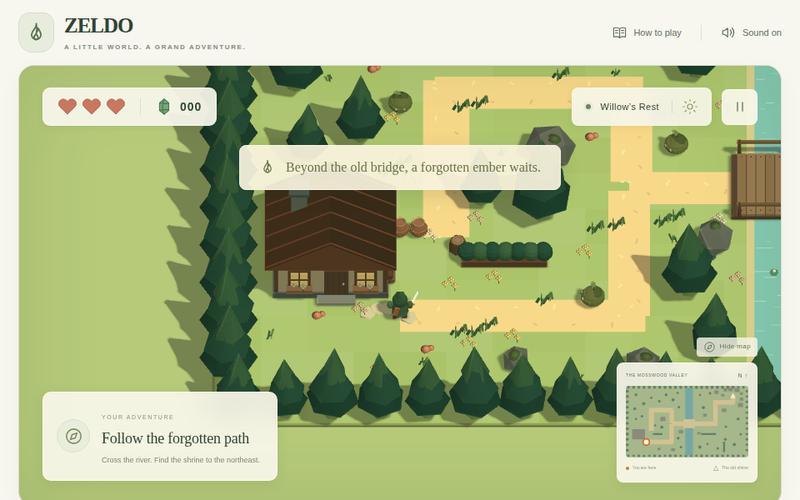
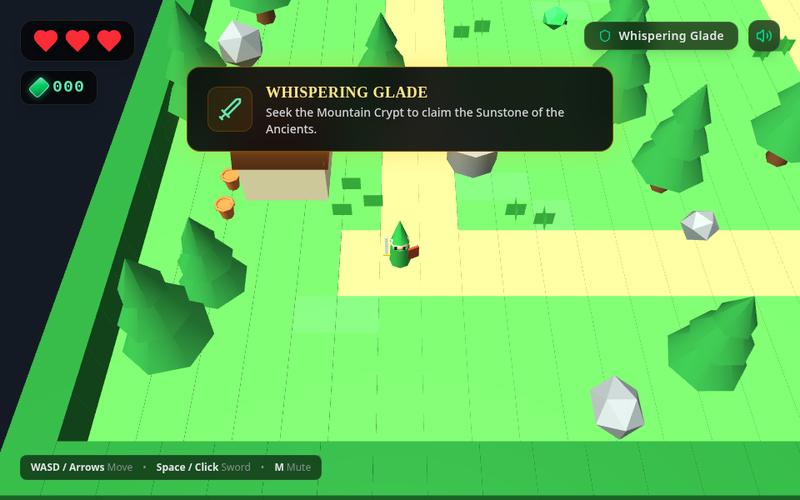
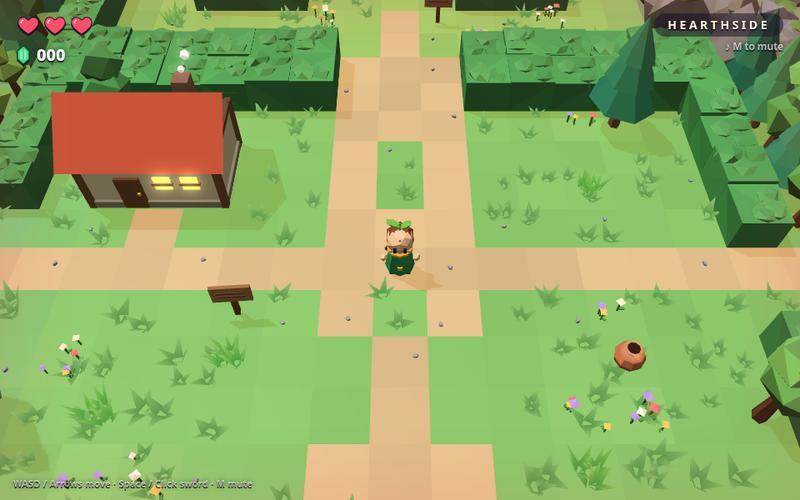
My first project as VibeCodeBro: I gave Muse, Astra 6, and Gemini the same one-shot prompt — build a 3D Zelda-like browser game — then Claude Opus, GPT-6.1 Sol, and xAI's Grok joined the arena. Six builds, one blueprint. Play them all and judge for yourself.
$ experiment data
Every build measured from its repo on 2026-10-08 — same prompt family, same stack. Lines of code per contestant:
A* pathfinding · telegraphed boss fireball
merged draw calls · never got the combat-AI prompt (the honest gap)
largest codebase · full prompt treatment
body-size-aware pathfinding
14 test files · procedural music · sol.zeldo.site wiring up
flow-field + A* nav · grok.zeldo.site wiring up
All six reached combat-AI parity (enemy pathfinding + boss ranged attacks) — the table doesn't lie. Sol's and Grok's builds are complete and their subdomains are wiring up. Full interactive breakdown on zeldo.site.
$ next up — a Clash Royale-style tower defense, built from scratch while recording: single-player vs AI first, then a peer-to-peer 1v1 versus mode with no backend at all.
$ lessons from the arena
What five AI builders taught me about building with AI.
Tips, tricks, and hard-won experience from running the Zeldo build-off — useful whether you're vibe-coding a game or shipping real software with AI.
01
One blueprint, or it's not a comparison
Every model got the same one-shot prompt — same 8-step game, same locked stack. Without it, models drift and each builds a different game, and you're comparing blueprints instead of builders.
02
One-shot vs iterative is the real gap
Astra 6 one-shot the whole game in 13 minutes. The Muse version took a full session with bug fixes, feel passes, and art passes. Model-vs-model is only half the story — workflow-vs-workflow is the other half.
03
Prompt coverage beats model smarts
Astra 6 shipped without enemy pathfinding or a boss ranged attack — not because it couldn't, but because the first prompt didn't ask. A follow-up prompt closed the gap. What you ask for matters more than which model you ask.
04
Measure everything, show the numbers
Files, lines, mesh calls, Babylon versions, test files. The numbers make the video: Gemini wrote 8,945 lines, Grok wrote 14 test files, Astra merged its draw calls by material. Data over vibes.
05
Know which layer you're paying for
A $30 chatbot subscription (Super Grok) is not a coding tool. A $20 coding tool (Cursor) is not a model subscription. They're different layers — and the subscription doesn't include API credits. Don't buy one expecting the other.
06
No cross-pollination, ever
Each model's code gets deployed mechanically — never read, never borrowed. The moment you feed one builder's tricks to another, the comparison is rigged and the experiment is over.
$ episodes
The build log
$ built with muse
This whole site was vibe-coded with Muse.
Muse is the AI agent I build with on camera. Join with my code and we both get 1 billion Muse tokens.
Join Muse →redeem the code in Settings within 48 hours of joining — app: Settings › Redeem token · web: Settings › General › Usage › Redeem invite code
$ stay in the loop
EP 1 drops soon. Don't miss the first prompt.
one email per episode. no spam, unsubscribe anytime.